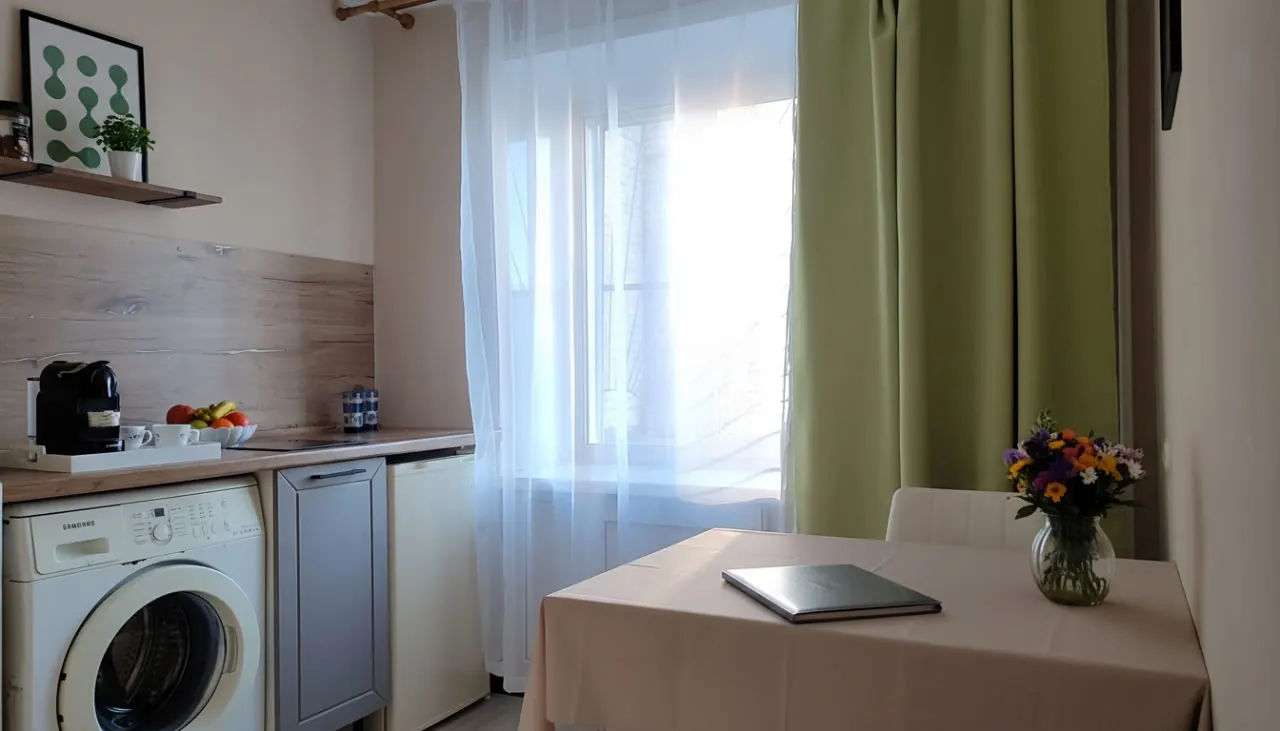
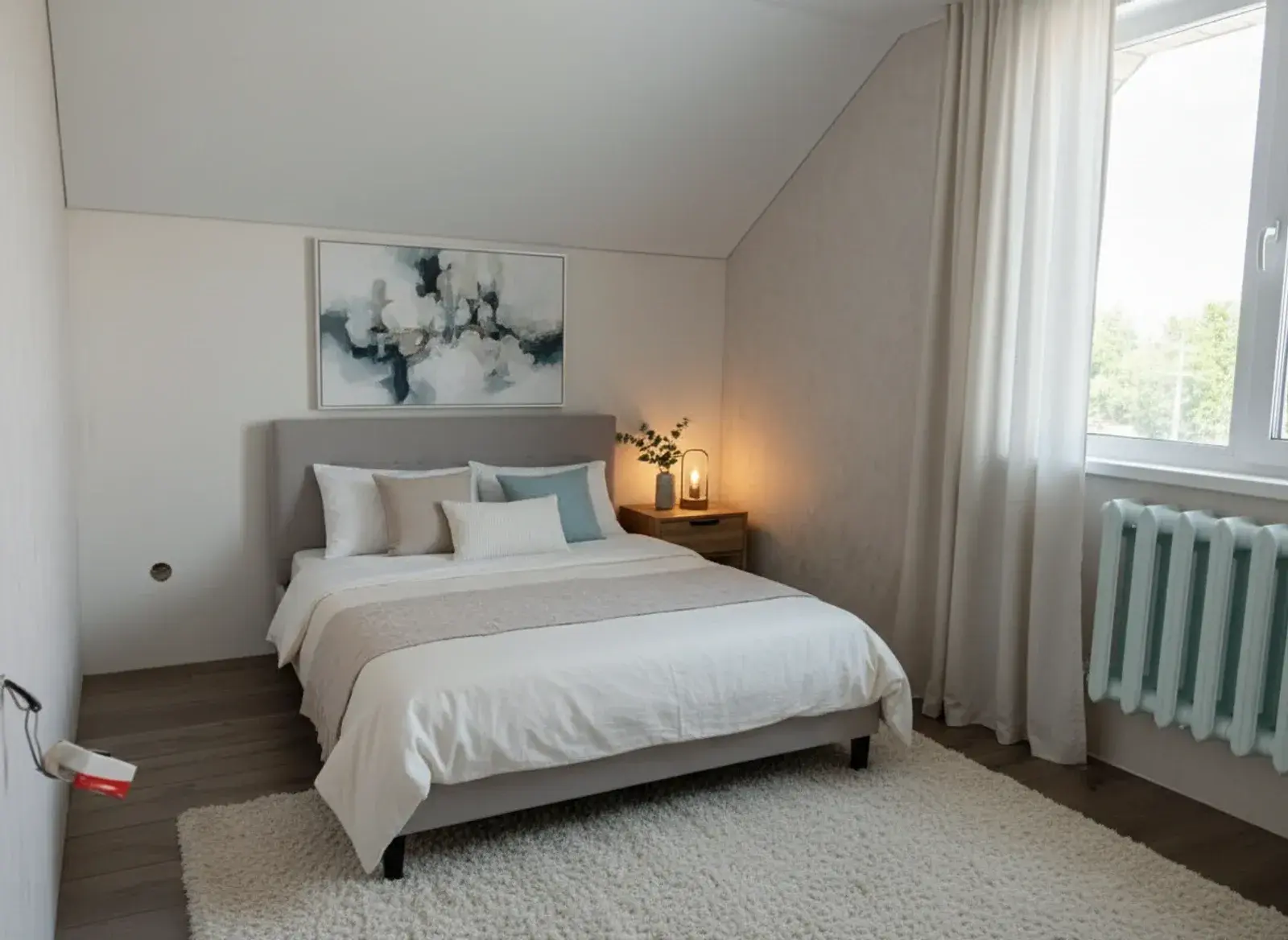
AI Home Staging: How to Sell Apartments Faster
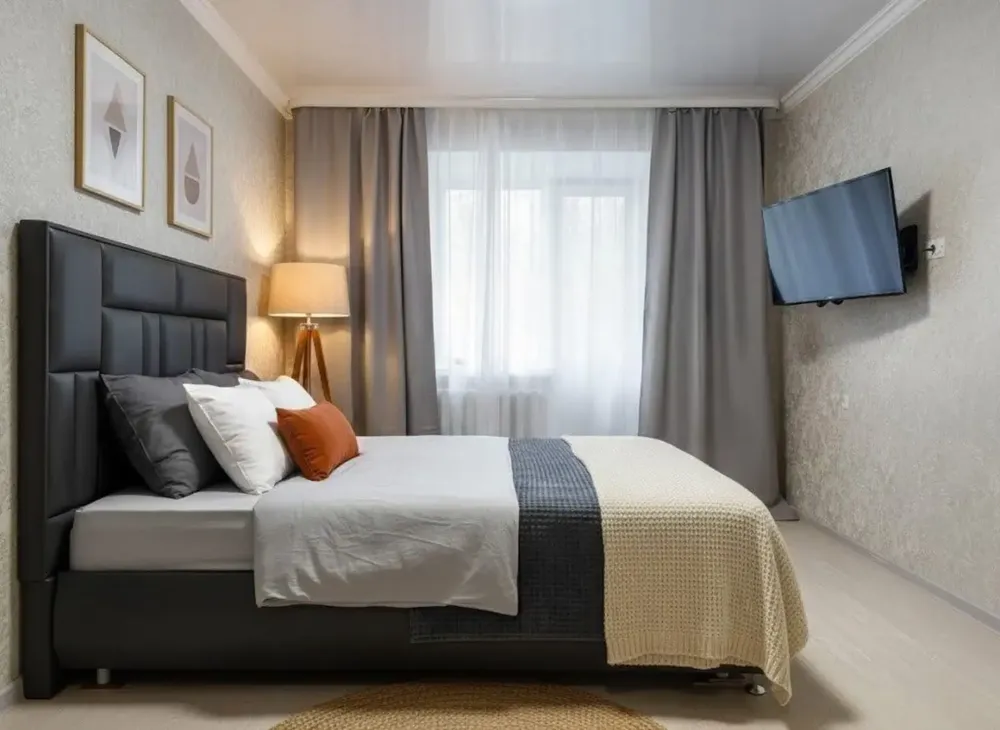
Buyers scroll through listing feeds at a rate of two properties per second. Your card has a fraction of a moment to catch the eye. It is not the price or the copy that decides: it is the first photo. Home staging, the practice of preparing a property for showings, has long been the standard on Western markets. Now you can do it without furniture, designers or movers: with AI, directly on your photos.
What home staging is
Home staging emerged in the US in the 1970s. The idea is simple: a property sells faster when the buyer can picture their own life in it. To make that happen, the space gets "dressed": furniture is arranged, textiles, light and decor are added, and everything personal is removed.
Classic staging comes in three flavors:
- Physical. Real furniture and decor are brought into the property, usually rented. Expensive and slow, but it works at in-person showings.
- Manual virtual. A designer adds furniture to photos of an empty property in a 3D editor. Cheaper than physical staging, but it takes days and you pay per image.
- AI staging. A neural network does the same job in seconds: it takes a photo of an empty or cluttered room and returns a tidy, furnished interior.
For an online listing the buyer only ever sees photos, so virtual and AI staging cover 90% of the job: getting the person to book a viewing.
Why empty rooms kill conversions
It seems logical: an empty apartment looks more spacious, so let's show a "blank canvas". In practice the opposite is true, and here is why.
Emptiness does not read as space. Without furniture the brain has nothing to anchor to: the scale of the room is unclear, and it is hard to tell whether a sofa and a bed would even fit. Paradoxically, a furnished room looks bigger in photos than an empty one.
People do not buy square meters, they buy a life scenario. A buyer is not looking for "42.3 square meters", they are looking for the place where they will have breakfast, work and put their kids to bed. Bare walls and dangling wires do not trigger that imagination. A cozy bedroom with a made bed triggers it instantly.
Empty photos blend into the feed. In a stream of twenty identical "concrete boxes" the card that already shows life wins. It is a plain battle for the click.
Emptiness highlights the flaws. When there is nothing else to look at in a room, the eye snags on whatever is there: a wallpaper seam, a stain on the floor, a protruding outlet. Furniture and textiles do not hide those details, but they restore their proper scale: they stop being the main characters of the frame.
Agency practice confirms it: listings with furnished, bright photos collect noticeably more views and calls than the same properties shown as bare shells. Exact numbers vary by segment, but the direction is the same everywhere.
What it costs: manual staging vs AI
Here are ballpark figures for 2026. All numbers are approximate, they differ by region and segment, but the order of magnitude is what matters.
| Approach | Cost | Turnaround |
|---|---|---|
| Physical staging (furniture rental, decorator, one-bedroom) | $1,500-5,000+ | 1-2 weeks |
| Manual virtual staging by a designer | $15-50 per image | 1-3 days |
| AI staging in Progon | cents per image | about 30 seconds |
Physical staging pays off on premium properties where every showing counts. For the mass market and rentals the math does not work: the agent's commission simply does not cover it. The AI option removes the question: processing all 10 photos of a listing costs less than a cup of coffee.
How it works in Progon
The workflow takes a couple of minutes and requires zero graphics skills.
- Upload your photos. Ordinary phone shots work fine: empty rooms, dated furniture, cluttered corners.
- Pick a scenario. For example "furnish an empty room", "modern renovation" or "tidy up". You can specify a style: Scandinavian, neoclassical, minimalist.
- Get the result. In 30 seconds you have several variants of the shot. Pick the best one, or run it again with a different style.
- Publish. Download the finished images and add them to the listing. Honest practice: label the shots "design visualization" so the buyer understands the furniture is virtual.
Important: AI staging does not change the geometry of the property, does not "repair" cracks and does not hide defects. It shows the potential of the space rather than deceiving the buyer. We covered the ethics in detail in our article on decluttering photos.
Three typical case patterns
Case 1: an empty new build. A one-bedroom unit with bare pre-finishing, the listing has been up for a month with zero calls. The agent runs 8 shots through AI staging in a Scandinavian style and adds a "design visualization" label. The card gets a new cover photo, views climb, and three viewing requests come in within the first week. Buyers arrive already "in love" with the picture and take the bare concrete calmly: they have seen the potential.
Case 2: the grandma special. A two-bedroom with carpets on the walls and 1980s furniture scares away younger buyers. Instead of an expensive renovation, the agent shows two photo rows in the card: the real shots and an AI version "after a light renovation". The listing honestly explains it is a visualization of possibilities. The audience widens: people who used to scroll past now consider the property.
Case 3: high-turnover rentals. A property manager runs 12 studio rentals. There is no time to reshoot after every move-out, so listings sit with photos full of previous tenants' belongings. The fix: shoot clean angles once, then run fresh phone snapshots through a "tidy up" pass after each turnover. The cards always look neat and vacancy gaps shrink.
FAQ
Is it legal to show virtual furniture? Yes, as long as you do not mislead the buyer about the actual condition of the property. Label such images as visualizations and keep at least a couple of real photos in the card. Hiding defects is off limits: mold, cracks and water damage must stay visible or be honestly disclosed.
Will buyers be disappointed at the viewing? The opposite: staging brings in people who have already pictured their life in the property. They come to check the layout and the building, not the furniture. The key requirement: the visualization must match the real geometry of the room.
How is AI staging different from distorted "neural photoshopping"? Quality AI staging preserves the layout, windows, doors and proportions of the room and only changes the furnishing. Before publishing, compare the result with the original: walls, openings and window views must match.
How many photos should I process? At minimum: the cover and the key rooms (living room, kitchen, bedroom). In practice it is better to run every shot except bathrooms and utility spaces: a consistent style across the card amplifies the effect.
How to start right now
There is no need to rebuild your agency's processes. Take one "stuck" listing that has not collected calls in a while. Run its photos through AI staging, refresh the cover and the photo order, add a visualization label. Watch the view and inquiry stats in the platform dashboard for a week. This mini-experiment costs next to nothing and gives an honest answer to whether staging works in your segment. In the experience of Progon users, the answer is almost always "yes": the only question is the size of the effect.
Takeaway
Home staging is no longer a premium-segment privilege. What used to require a truckload of furniture or days of design work now takes 30 seconds and pennies. For an agent this means one simple thing: there is no longer any excuse to publish empty, dark rooms.
Try it on your own listing. Upload your photos and in half a minute you will see an apartment people want to live in: enhance photos free.