Decluttering Photos: Show an Apartment People Want to Live In

A buyer opens a bedroom photo and delivers a verdict in a fraction of a second: "I want to live here" or "keep scrolling". That verdict is almost never about square meters. It is about the feeling of order, light and air. Clutter in the frame, even harmless clutter, destroys that feeling instantly. Let's break down the psychology of mess, what to remove by hand versus digitally, and where the honesty line runs.
The psychology: why clutter repels
Someone else's belongings make the home someone else's. Photos full of the owner's things tell the owner's story: their medicine on the nightstand, their calendar on the fridge, their socks by the bed. There is no room for the buyer in that story. The less personal stuff in the frame, the easier it is for a person to "move themselves in" mentally.
Mess reads as neglect. The brain extrapolates: if the photos show chaos, then surely the plumbing was neglected too and the windows were never replaced. It is unfair to good apartments, but that is how perception works. A tidy frame signals: "this home was cared for".
Visual noise steals square meters. Every object in the frame is a point the eye snags on. Twenty objects mean twenty stops for the gaze. A room with clear surfaces feels noticeably more spacious than the same room with loaded countertops, even though the geometry has not changed.
What to remove physically
The ideal scenario is preparing the apartment before the shoot. One hour of cleanup along this list does more than any filter:
- Personal items. Photos, documents, medicine, cosmetics, chargers, kids' drawings on the fridge.
- Textile noise. A drying rack with laundry, robes on doors, crumpled throws, randomly placed rugs.
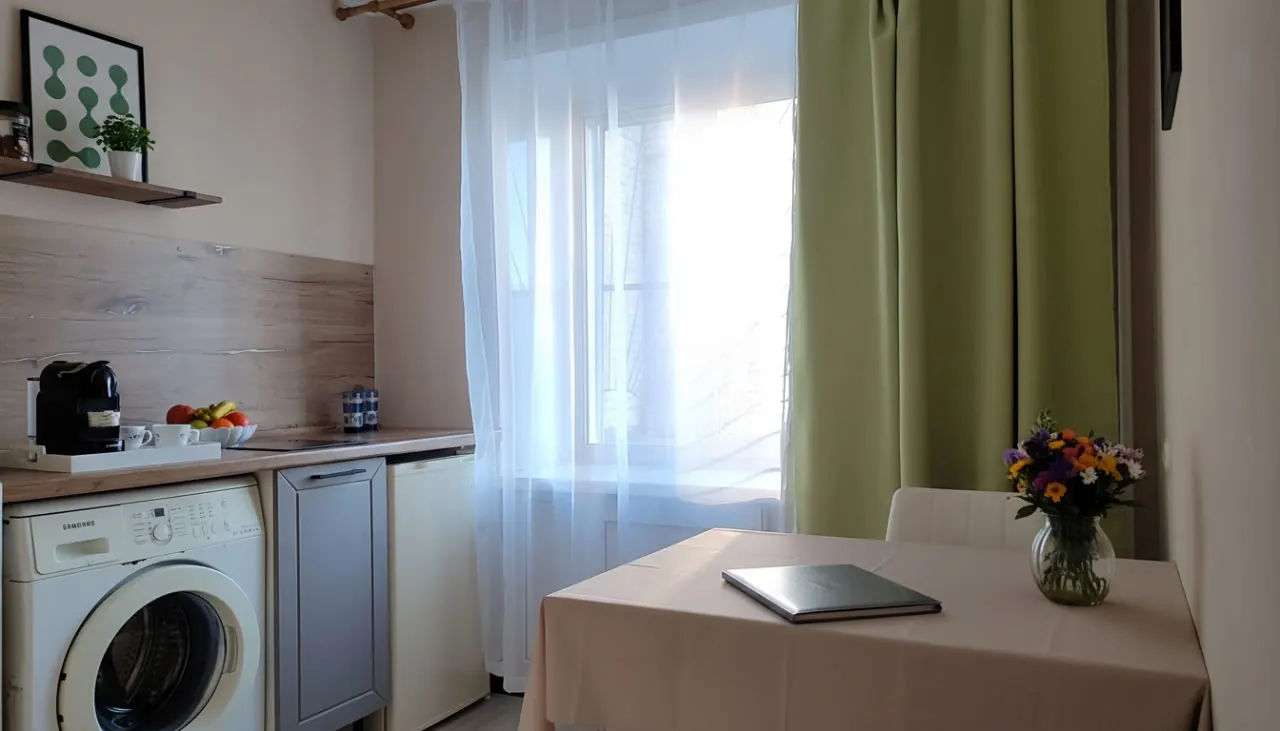
- Kitchen clutter. Sponges, detergents, magnets, spices on the countertop. Leave at most a kettle and a bowl of fruit.
- Cables and gadgets. Extension cords, routers with cable garlands, chargers in outlets.
- Trash and containers. Buckets, bags, "just in case" appliance boxes, bottles.
The rule is simple: everything smaller than a chair should vanish from horizontal surfaces. The furniture stays, the life stays, the noise goes.
What to hand over to AI
Reality is rarely ideal: the tenants have not moved out yet, the owner lives in another city, there is no time for a reshoot. This is where digital decluttering works: a neural network removes unwanted objects from the photo and reconstructs the background behind them.
Good candidates for an AI cleanup:
- small mess nobody had time to clear: things on the bed, dishes, boxes;
- temporary objects: the drying rack, the ironing board, a vacuum cleaner by the wall;
- traces of tenants in a rental unit when a "clean" shot is impossible to take;
- overloaded decor that fights with the style of the card.
Compare for yourself: the same frame before and after a digital cleanup.
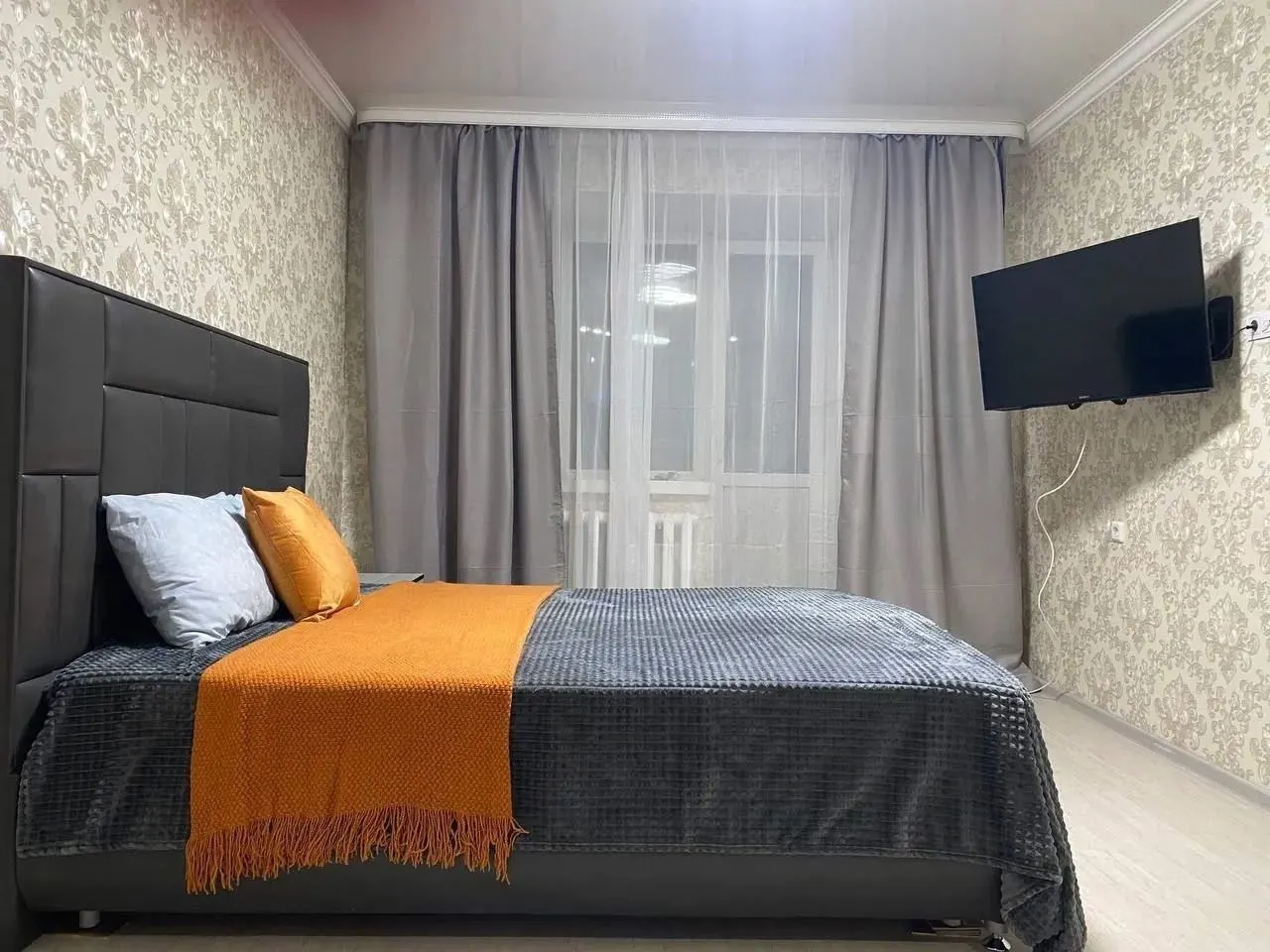
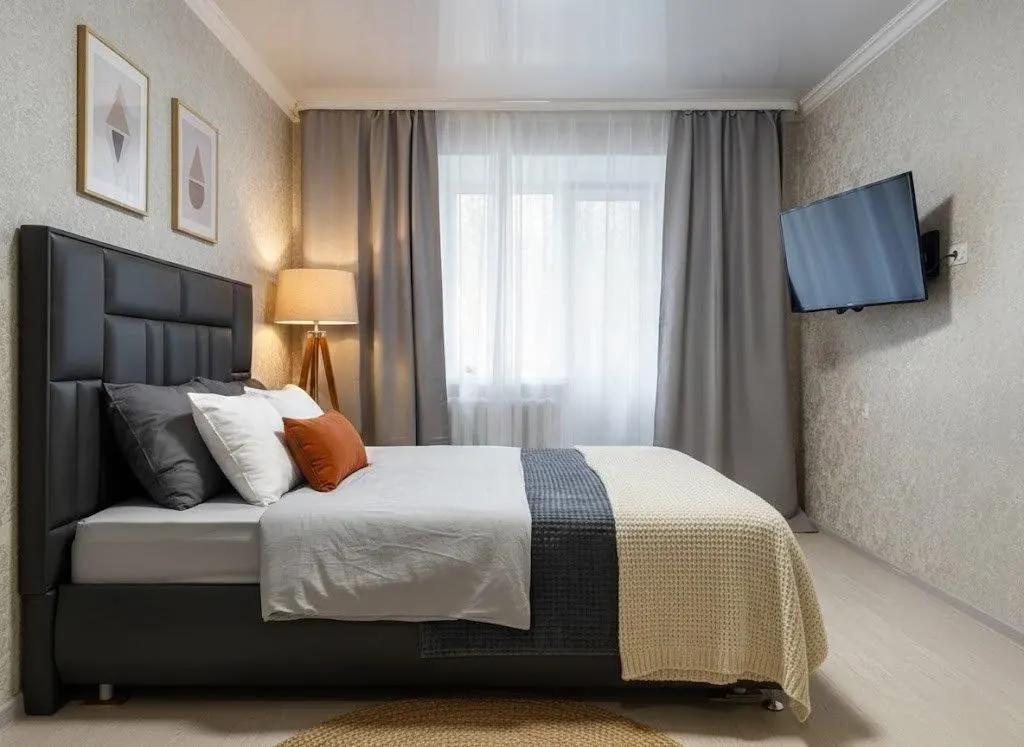
The room geometry, the windows, the furniture: everything is in place. Only the noise is gone.
Common digital decluttering mistakes
Sterility. If you remove absolutely everything from the frame, the room starts to look like a furniture catalog: pretty but lifeless. Leave two or three "living" accents: a throw on the sofa, a book on the nightstand, a plant on the windowsill. The buyer should see order, not an operating room.
Inconsistency between frames. When a floor lamp stands in the living room in one photo and is gone in another shot of the same room, an attentive buyer notices and starts doubting the whole card. Process all angles of a room the same way and review them side by side.
Publishing blind. AI rarely makes mistakes, but it does make them: it can grab a chair leg along with a box or reconstruct a baseboard with an odd shape. One minute of review per frame before publishing saves you from awkward questions in the comments.
Retouching what is part of the deal. A built-in wardrobe, the kitchen set, the plumbing fixtures: if it stays with the buyer, you cannot remove or "improve" it in the photos. The rule from the ethics section works both ways.
Ethics: where the line runs
Digital cleanup is a powerful tool, and it is easy to abuse. The boundary fits in one sentence: you may remove what will leave with the owner; you must not touch what the buyer will inherit.
Safe to remove: belongings, the tenants' furniture, temporary objects, trash. None of it is part of the deal, and none of it will be there at the viewing.
Off limits to retouch: cracks, water stains, mold, peeling tiles, the condition of windows and floors. These are defects of the property, and the buyer has the right to see them before the viewing. Mold hidden in a photo is not marketing, it is deception that will collapse the deal at the inspection stage and damage the agent's reputation.
Good practice: if the processing substantially changes how a room looks, label the frame "image edited" and keep at least one unprocessed photo of every room in the card. Honesty here is not altruism, it is conversion: a buyer who was not tricked by the photos arrives at the viewing already loyal.
The workflow: 10 minutes per listing
- Shoot the rooms as they are. In daylight, horizontally, with the lights on. Do not spend an hour on a perfect cleanup if you do not have one: just shoot.
- Upload the frames to Progon. All at once: processing is batched.
- Pick the "tidy up" scenario. The AI removes small clutter, balances the light and gives the room its air back. Each frame takes about 30 seconds.
- Review the result. Compare every frame with the original: defects must stay visible and the geometry unchanged. If the AI grabbed something it should not have, rerun the frame with a clarification.
- Assemble the card. Best frame as the cover, then follow the right photo order. Label the edited frames.
If the apartment is empty and there is nothing to clean, the task flips: add life instead. That is what virtual home staging does.
Before and after: telling the story
A card with a "before and after" pair works harder than polished final shots alone, especially for rentals. The real frame honestly shows the condition, the processed one shows the potential. Place them side by side, label which frame is edited, and watch trust grow in your chats: people arrive at viewings without the suspicion that "the photos are all lies".
What it costs and how long it takes
Physical decluttering is free when the owner does it, and a pre-shoot cleaning service costs a modest fee (approximate, varies by city and floor area). Digital cleanup in Progon costs cents per frame and takes about 30 seconds. For an agent managing a dozen properties the arithmetic is simple: a whole month of photo preparation costs less than a single cup of coffee and requires no site visits and no coordination with tenants.
Takeaway
Decluttering is the cheapest way to lift a listing's response rate. One hour of physical cleanup plus half a minute of AI processing per frame turns a "tired" apartment into a home people want to move into. The key: remove the noise, never the truth.
Test it on your own photos. Upload frames with that lived-in mess and watch the card transform: enhance photos free.